What is Wing Chun
Kuen?
The name Wing Chun is made
up of two Chinese characters:
 Though most
commonly spelt Wing Chun in English it can also be spelt Ving Tsun or Wing
Tsun. Regardless of spelling, Wing Chun is recognised as one of the most
practical and devastatingly effective, no nonsense self-protection martial arts
systems in the world. Often referred to as 'Hong Kong street fighting', Wing
Chun is often classed as a 'soft style' because of the minimal effort or
physical force required to overcome larger, stronger opponents. Though most
commonly spelt Wing Chun in English it can also be spelt Ving Tsun or Wing
Tsun. Regardless of spelling, Wing Chun is recognised as one of the most
practical and devastatingly effective, no nonsense self-protection martial arts
systems in the world. Often referred to as 'Hong Kong street fighting', Wing
Chun is often classed as a 'soft style' because of the minimal effort or
physical force required to overcome larger, stronger opponents.
"Wing Chun is the only truly practical street
self-defence system that can be trained equally by
everyone!"
In today's tumultuous world
Wing Chun not only offers an exceptional personal defence system, Wing Chun
training will also improve physical fitness, mental and physical relaxation and
helps reduce stress through mental focus and correct breathing
techniques.
"Maintains a healthy body and a healthy mind"
Wing Chun is a logical,
scientific, yet simple Chinese martial art system, which was developed for
practical and effective self-defence. It is a result oriented martial art known
for its efficiency and economy of movement based upon the natural body
mechanics of the human musculoskeletal framework. It was developed for
survival, self-defence and damage limitation, rather than for purely attack or
for aesthetic appeal. Wing Chun's simple and direct short range simultaneous
attack and defence hand techniques, its use of only low kicks and its simple
but evasive footwork, combined with its logical and scientific methodology are
some of the reasons why it is fast becoming one of the most popular Chinese
martial arts around the world.
Employing several key
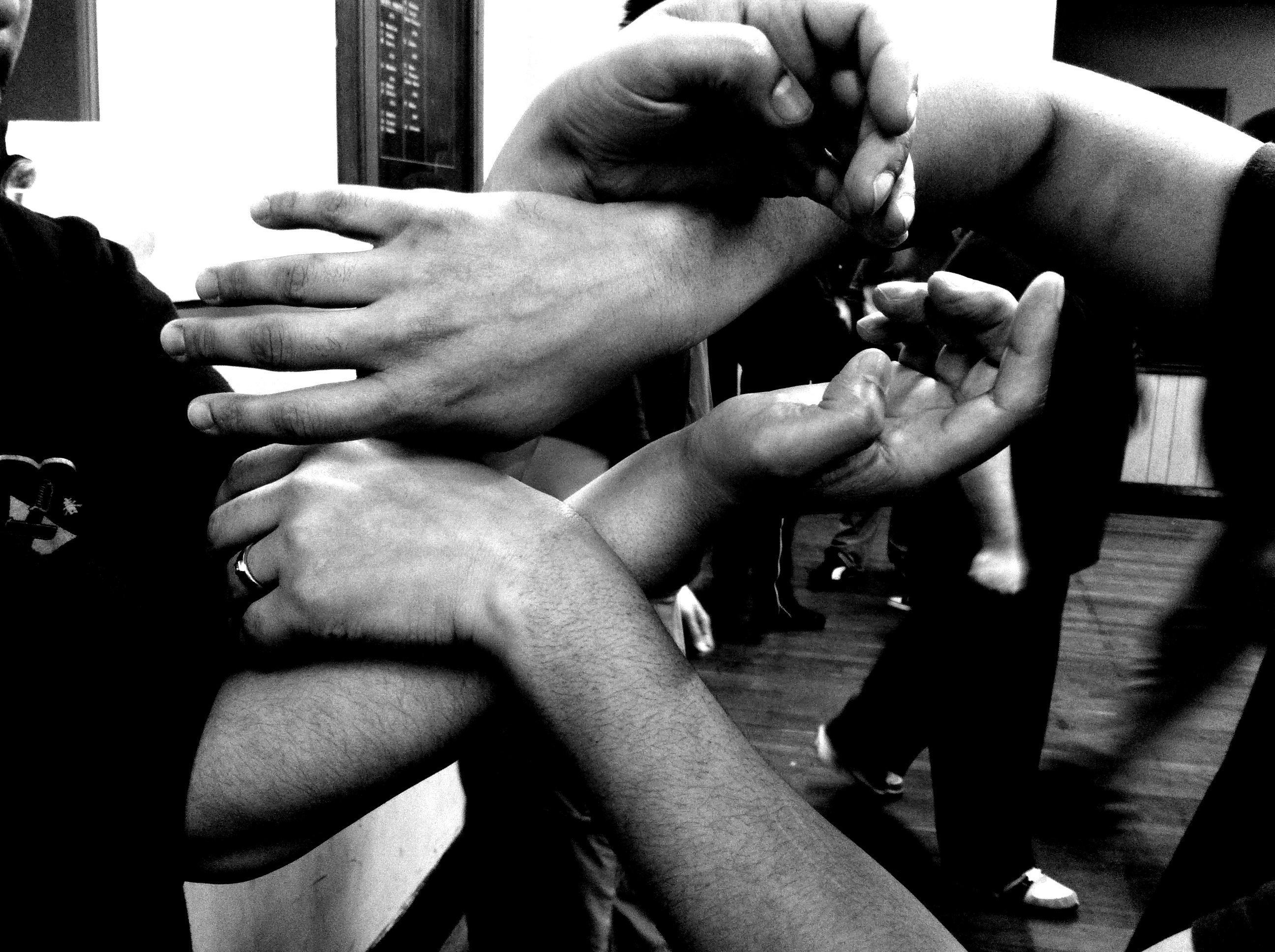
concepts; sensitivity, contact reflexes, forward energy and 'borrowing' the
opponent's force, Wing Chun emphasises and utilises natural and efficient body
mechanics, eliminating the necessity to use and rely on size and strength and
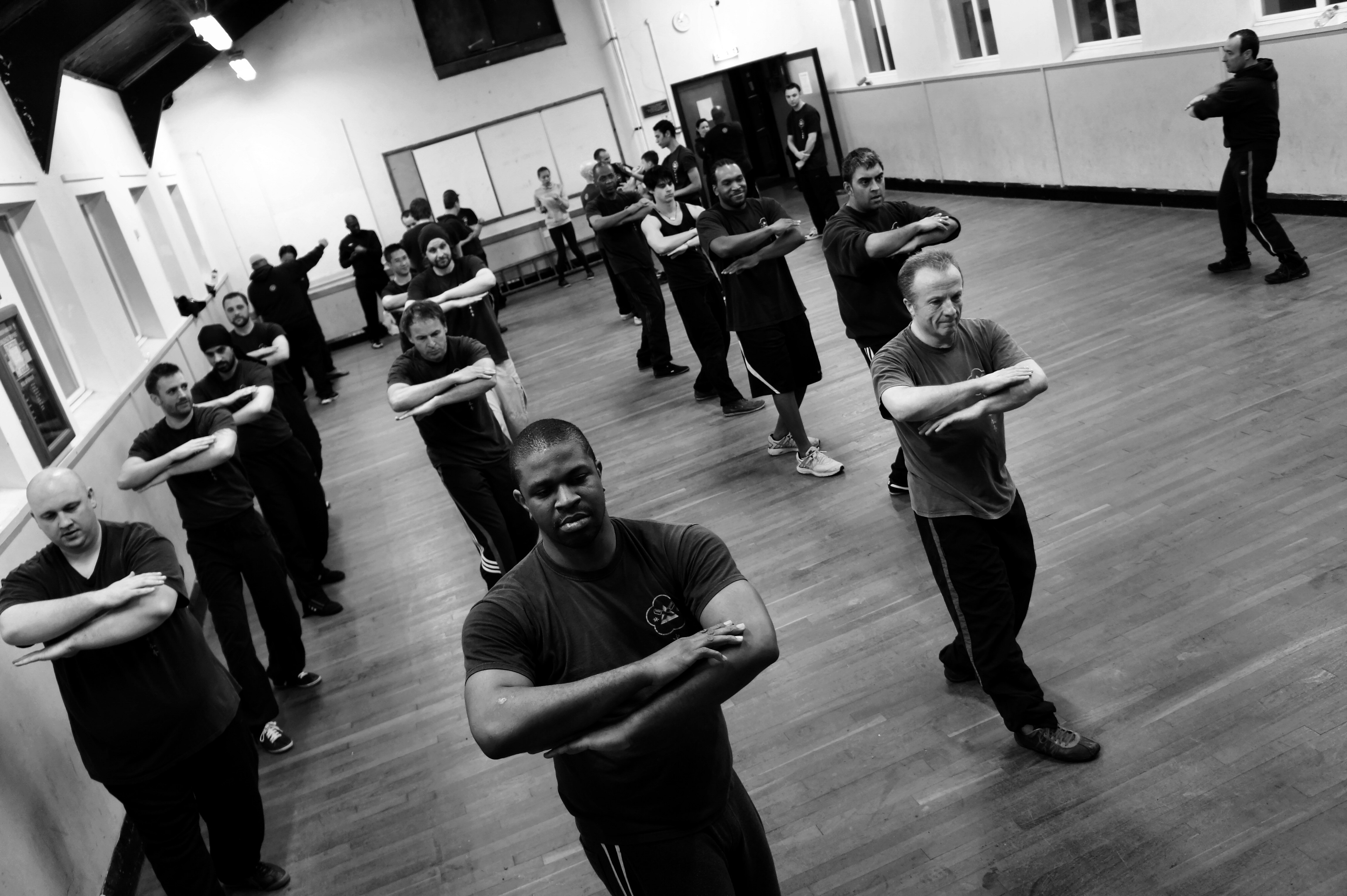
is therefore suitable for anybody, regardless of age, gender, or physique.
"suitable for anybody, regardless of age, gender, or
physique"
|